
 Close
Close- Trademarks & Designs

- Trademarks & Designs
- Strategy & managementUnlock the potential of your brand portfolio
- SearchingScreening and clearance search with smart pre-selection
- RegistrationTailored support to maximise your brand potential
- WatchingMonitor rights efficiently and cost-effectively worldwide
- Monitoring & prosecutionProtect and enforce rights on- and off-line
- Renewals & recordalsFlexible renewal and recordal services
- Strategy & management
- IP consultingBrand development, audits, licensing, M&A, valuation/monetisation, contract management and more
- IP consulting
- Patents
- Solutions
- Trademarks & Designs
- Trademarks & Designs
- Strategy & managementUnlock the potential of your brand portfolio
- SearchingScreening and clearance search with smart pre-selection
- RegistrationTailored support to maximise your brand potential
- WatchingMonitor rights efficiently and cost-effectively worldwide
- Monitoring & prosecutionProtect and enforce rights on- and off-line
- Renewals & recordalsFlexible renewal and recordal services
- Strategy & management
- IP consultingBrand development, audits, licensing, M&A, valuation/monetisation, contract management and more
- IP consulting
- Patents
- Solutions
- Contact
- About us
- About us
- About usProud to support iconic brands and innovative organisations worldwide
- Mission & visionDiscover how we are redefining IP management through dynamic, strategic and personalised services
- MilestonesExplore our history from our founding 135+ years ago to the present day
- Our offices18 offices and unique network of specialists delivers local expertise on a global scale
- Social responsibilityWe strive to positively impact the environment and the global community in which we work and live
- GovernanceInnovation, client focus and a passion for IP. Meet our management team
- About us
- Careers
- Log in
- About us
- About us
- About usProud to support iconic brands and innovative organisations worldwide
- Mission & visionDiscover how we are redefining IP management through dynamic, strategic and personalised services
- MilestonesExplore our history from our founding 135+ years ago to the present day
- Our offices18 offices and unique network of specialists delivers local expertise on a global scale
- Social responsibilityWe strive to positively impact the environment and the global community in which we work and live
- GovernanceInnovation, client focus and a passion for IP. Meet our management team
- About us
- Careers
- Log in

Colour trademarks: A rare but sought-after form of protection in the EU








2. Defending a colour trademark: Protection enhanced by reputation
While characterising their distinctiveness may seem easier, defending and protecting them is more challenging.
In a 10 July 2025 decision, the EUIPO upheld the opposition filed by Red Bull GmbH against the three-dimensional trademark application filed by Gorbatschow Wodka KG for alcoholic and non-alcoholic beverages (Opposition No. B3194629, Red Bull GmbH v Gorbatschow Wodka KG).
This decision illustrates the scope of protection afforded to colour trademarks, particularly strengthened by their reputation.
Red Bull, owner of several colour combination trademarks, including the EU trademark No. 4381471:

opposed the EU trademark application No. 18808190:
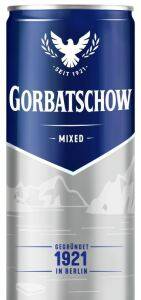
for a designation of beverages in classes 32 and 33, based on Articles 8(1) (likelihood of confusion) and 8(5) (extended protection for well-known marks) of the EU Trademark Regulation (EUTMR).
The EUIPO initially recognised the well-known nature of the earlier marks based on a substantial amount of documentation provided by Red Bull, including evidence demonstrating use since 1980, primarily in Germany, which was deemed sufficient to establish the reputation of the rights throughout the EU. The applicant company has demonstrated intensive and sustained use, notably through the provision of a survey showing a spontaneous recognition rate exceeding 90%, as well as market research demonstrating that a significant portion of the relevant public associates the mark with the Red Bull energy drink company.
Regarding the comparison between the marks, the EUIPO considered that the presence of the distinctive verbal elements (GORBATSCHOW) and graphic elements (a dove and the representation of icebergs and mountains), as well as the three-dimensional shape of the mark, namely the can, were not sufficient to rule out the similarity between the marks.
Although the similarity between the contested application and the earlier mark was considered weak, it was still sufficient to create a link between the signs. Relevant consumers in Germany are likely to associate it with the earlier mark, that is, to establish a mental "link" between the signs, particularly due to the repetition of a combination of two colours – blue and silver – in very similar, or even identical, shades, and in a clear, symmetrical, and uniformly distributed representation.
Finally, the EUIPO recognised that this link could constitute harm, as the contested trademark application could benefit from the attractiveness of the cited earlier marks and profit from their reputation.
The trademark application was therefore rejected.
It should be noted that Red Bull had attempted to register an initial trademark application in the form of